The Ultimate First-Time Cruiser Guide: Everything You Need to Know Before You Sail
So you’re thinking about taking your first cruise? Maybe you’ve heard friends rave about their vacation at sea, or you’re just curious what all the fuss is about. Either way, I’m genuinely excited for you—because cruising is one of those experiences that can completely change how you think about travel.
I’m Brian, and I run P & P Travel, where I help people plan amazing cruise vacations. Over the years, I’ve worked with hundreds of first-time cruisers, and I’ve seen the same questions and concerns pop up again and again. That’s why I wanted to put together this complete first-time cruiser guide—to answer all those questions and help you feel confident and excited (instead of overwhelmed) as you plan your first sailing.
Whether you’re dreaming of Caribbean beaches, Alaska’s glaciers, or Mediterranean ports, this guide will walk you through everything you need to know. Let’s dive in.
Why Cruising Is Honestly the Easiest Style of Vacation
Here’s the thing about cruises that makes them perfect for first-timers: they take care of practically everything for you.
Think about a typical land vacation. You’re booking hotels in multiple cities, figuring out transportation between destinations, researching restaurants for every meal, and planning what to do in each location. It’s exhausting before you even leave home.
On a cruise? You unpack once. Your floating hotel takes you from place to place while you sleep. Most of your meals are included (and trust me, cruise food has gotten really good). Entertainment is built in—from Broadway-style shows to live music to comedy acts. And you can make your vacation as busy or as relaxed as you want.
Want to explore every port with excursions? Go for it. Prefer to lounge by the pool with a book and a fruity drink? That’s perfect too. There’s no wrong way to cruise, and that’s what makes it such a stress-free way to see the world.

How to Choose the Right Cruise Line for Your First Cruise
This is where a lot of first-time cruisers get stuck, and honestly, I don’t blame them. There are a lot of cruise lines out there, and they all have different vibes.
Here’s how I help my clients think about it:
Carnival Cruise Line is fun, energetic, and budget-friendly. Think lots of families, a casual atmosphere, and plenty of activities. Great if you want an upbeat, party-adjacent vibe without breaking the bank.
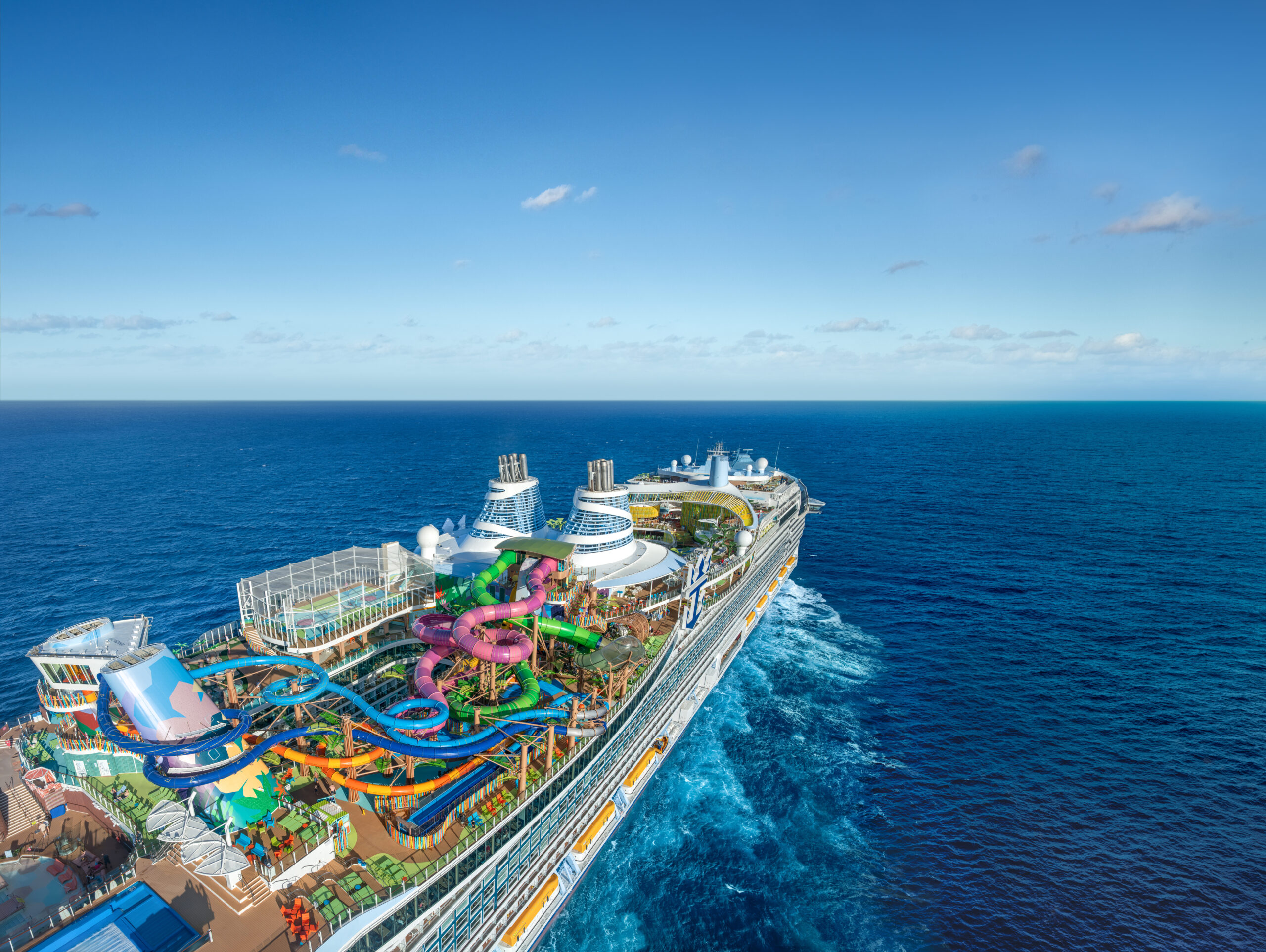
Royal Caribbean is perfect if you want a little bit of everything—innovation, activities, solid dining, and ships that feel like floating resorts. They’re known for things like rock climbing walls, ice skating rinks, and waterslides. This is often my top recommendation for first-timers because the ships are so well-rounded.
Norwegian Cruise Line is all about flexibility with their “Freestyle Cruising” concept—no set dining times, more casual dress codes, and lots of choices. Great for people who don’t want to feel tied to a schedule.
Princess Cruises and Holland America tend to skew a bit older and quieter. If you’re looking for a more refined, relaxed experience (and you’re not bringing kids), these can be wonderful options.
Disney Cruise Line is—no surprise—perfect for families with kids. The service is impeccable, the ships are immaculate, and the entertainment is top-notch. They’re pricier, but for families, the value is there.
The best cruise lines for beginners really depend on you—your personality, who you’re traveling with, and what kind of vacation you’re craving. That’s exactly why I spend time getting to know my clients before making recommendations. There’s no one-size-fits-all answer, but there is a perfect ship for you.
How to Pick the Right Cabin (Location + Type)
Cabin selection is one of those things that can make or break your cruise experience, especially as a first-timer. Here’s what you need to know:
Types of Cabins
- Inside cabins: No window, smallest and most affordable. Honestly? If you’re just using the cabin to sleep and won’t spend much time there, this can be a smart budget choice.
- Oceanview cabins: You get a window (or porthole). Nice for natural light and watching the ocean, but you can’t open it.
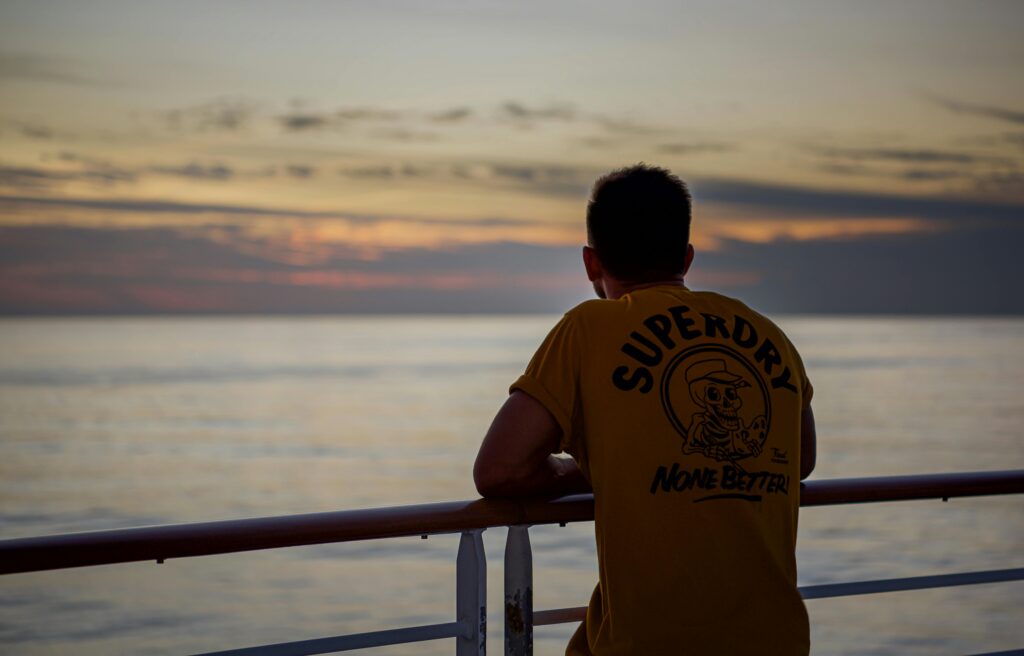
- Balcony cabins: My personal favorite for most itineraries. Having your own private outdoor space to enjoy morning coffee or watch the sunset is priceless.
- Suites: More space, often perks like priority boarding or access to exclusive areas. Great if your budget allows.
Location Matters
Here are my cruise tips for beginners when it comes to cabin location:
- Midship is your friend: Cabins in the middle of the ship (both front-to-back and vertically) experience the least motion. If you’re worried about seasickness, book here.
- Avoid being directly under or above loud areas: Check the deck plans. You don’t want to be under the pool deck, nightclub, or theater if you value sleep.
- Forward cabins can be noisier: You might hear the anchor or experience more motion.
- Higher isn’t always better: Yes, higher decks can have better views, but they also feel more movement in rough seas.
One of the ways I help my clients is by reviewing deck plans with them and pointing out cabins to avoid—like those near elevators (noisy at all hours) or obstructed-view balconies that look right at a lifeboat.
What to Pack and What NOT to Pack
Let’s talk cruise packing tips, because this is where I see people either over-pack like crazy or forget important items.
Definitely Pack:
- Power blocks (not a surge protector—those aren’t allowed): Cabins typically have limited outlets
- Medications in original bottles, plus extras just in case
- Refillable water bottle: Most ships have water stations
- Comfortable walking shoes: You’ll do more walking than you think
- Sunscreen and after-sun lotion: It’s expensive in port shops
- Light layers: Ships can be cold inside with AC
- Small day bag or backpack: For port days
- Formal outfit or two (if your ship has formal nights): Most modern ships are more casual now, but it’s nice to have the option
- Copies of important documents: Passport, boarding pass, insurance info
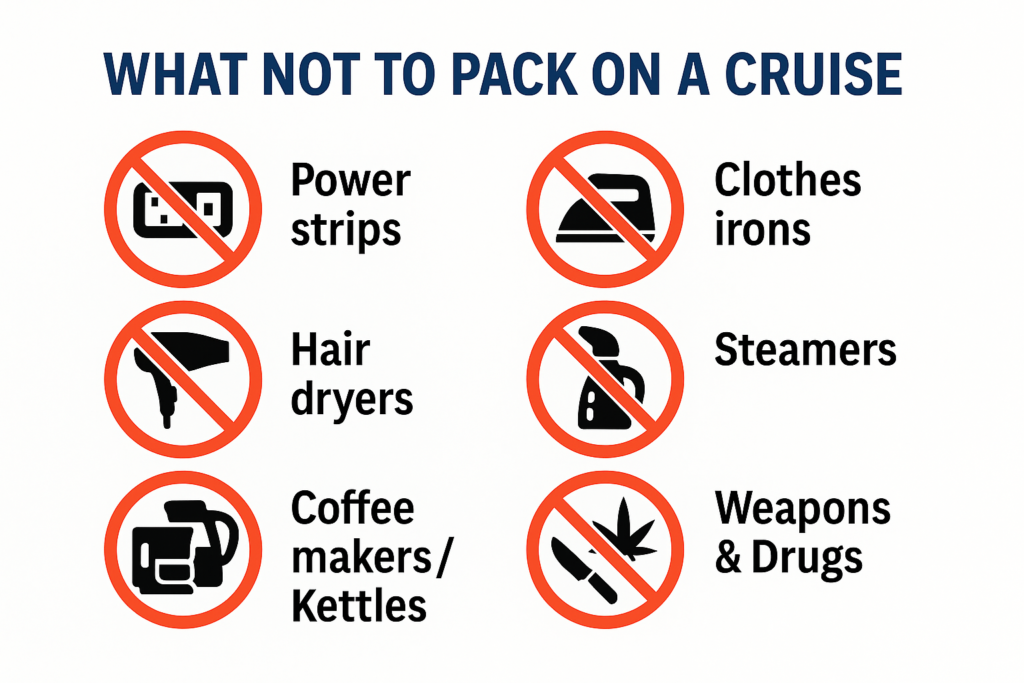
Do NOT Pack:
- Irons or steamers: Fire hazard—they’ll be confiscated
- Surge protectors: Not allowed (but basic power strips are fine)
- Illegal substances (obviously): Ports have drug-sniffing dogs
- Your entire wardrobe: You won’t wear half of it
Save-This-Later Packing Checklist:
□ Passport (or birth certificate + ID for closed-loop cruises)
□ Cruise documents and boarding pass
□ Credit card for onboard account
□ Medications (in original bottles)
□ Sunscreen & sunglasses
□ Swimsuit and cover-up
□ Comfortable walking shoes
□ Nicer outfit for dinner
□ Phone charger
□ Power strip
□ Refillable water bottle
□ Small first aid kit
□ Motion sickness remedies (even if you don’t think you’ll need them)
What Embarkation Day Is Like (Step-by-Step)
Embarkation day is when you board the ship, and knowing what to expect can calm a lot of first-cruise jitters.
Here’s how it typically goes:
- You’ll arrive at the cruise terminal (usually between 11am-1pm, though check your cruise line’s recommendations)
- Security screening: Similar to airport security—bags go through X-ray machines
- Check-in process: You’ll show your documents, get your photo taken for your cruise card (acts as room key, ID, and payment method), and receive your boarding group number
- Waiting area: You’ll wait until your group is called to board
- Walking onto the ship: This is such a fun moment—crew members often greet you with applause and welcome drinks!
- Lunch is usually available immediately: Grab a bite while you wait for cabins to be ready (usually around 1:30-2pm)
- Mandatory muster drill: A safety drill you’re required to attend—it’s quick and painless
- Sail away: Many people gather on deck with a drink to watch the ship leave port
Pro tip: Don’t pack essentials (medications, swimsuit, change of clothes) in your checked luggage. It might not arrive at your cabin until later in the afternoon, but you can start enjoying the ship immediately.
First-Time Cruiser Mistakes to Avoid
I’ve seen these mistakes countless times, and they’re all easily avoidable:
Booking a cheap inside cabin when you’re prone to motion sickness: Midship balconies are worth the upgrade if you’re sensitive to movement.
Not making dining or show reservations early: Popular restaurants and entertainment can book up, especially on bigger ships. Do this as soon as your cruise line allows (often 90 days before sailing).
Waiting until the last minute to book shore excursions: The good ones sell out. Plus, booking through the cruise line means the ship won’t leave without you if your excursion runs late.
Skipping travel insurance: I always recommend it. Weather, illness, family emergencies—life happens, and insurance protects your investment.
Overpacking your sea days with activities: Build in downtime. This is vacation—you’re allowed to do nothing.
Getting off the ship without your cruise card: You need it to get back on. Make it a habit to tap your pocket before you disembark.
Forgetting about gratuities: Most cruise lines add automatic gratuities to your onboard account (usually $14-18 per person per day). Budget for this.
Insider Tips to Make Your Cruise Smoother and More Fun
Want to cruise like a pro even on your first sailing? Here are some of my favorite insider tips:
- Arrive at your departure port the day before: Flight delays happen. Don’t risk missing your ship.
- Download your cruise line’s app before you sail: Most let you make reservations, check schedules, and message other people in your group.
- Eat at the specialty restaurants: Yes, there’s an upcharge (usually $20-50), but the food and experience are often phenomenal.
- Talk to the crew: They’re incredible resources for recommendations and can make your trip extra special.
- Don’t skip port talks: The cruise director often gives presentations about upcoming ports with insider tips.
- Room service is usually free (except on luxury lines where everything is included anyway): Great for late-night snacks or when you just want to eat on your balcony.
- Bring a highlighter: Use it to mark activities and dining times in the daily planner that’s delivered to your cabin.
- The last night is formal night on many ships: If you want those fancy photos, time it right.
And here’s a big one: you don’t have to do everything. I know the ship is full of activities and you might feel FOMO, but the beauty of cruising is that you can create your own pace. If you want to spend an entire sea day reading by the pool, that’s not wasting your cruise—that’s exactly what you should be doing if it makes you happy.
Ready to Plan Your First Cruise?
Look, I know planning your first cruise can feel overwhelming. There are so many choices—cruise lines, ships, itineraries, cabins, excursions. It’s a lot. But here’s the good news: you don’t have to figure it all out alone.
This is literally what I do every single day. I work with first-time cruisers to help them choose the perfect cruise for their budget, interests, and travel style. I handle all the details, answer your million questions (seriously, ask me anything), watch for price drops, help with dining reservations, recommend shore excursions, and make sure everything runs smoothly from the moment you reach out until you’re back home sharing photos.
The best part? My services don’t cost you anything extra. I’m paid by the cruise lines, so you get expert help at the same price you’d pay booking on your own—often with extra perks I can secure for you.
If you’re ready to start planning, or even if you just want to chat about whether cruising is right for you, I’d love to hear from you. Reach out to me at P & P Travel, and let’s start planning an incredible first cruise you’ll never forget.
Trust me—once you cruise, you’ll understand why so many people get hooked. Welcome to the cruise family. I can’t wait to help you set sail. ⚓